All Form Four Biology topics
Read Topic 1 free on this page. The other 4 topics are ready in the Click Online Academy app.
- Topic 1Growth and DevelopmentFree preview below
- Topic 2GeneticsIn the app
- Topic 3EvolutionIn the app
- Topic 4Classification: Kingdom AnimaliaIn the app
- Topic 5HIV/AIDS, STDs and STIsIn the app
1. Concept of Growth
- In this process, the nucleus and cytoplasm of a cell divide to form two identical daughter cells.
- In animals, growth occurs in all parts of the body whereas in plants it occurs in specific regions of the body such as at the tips of the shoot and root.
- Usually, the growth rate of an organism increases with time. This type of growth is known as positive growth.
- At later stages of an organism's growth, the rate of growth slows down. This type of growth is called negative growth.
- Positive growth occurs when synthesis of materials (anabolism) exceeds the breakdown of materials (catabolism) while negative growth occurs when catabolism exceeds anabolism.
- The growth of an organism is accompanied by development — the increase in complexity of the organism and the ability of the organism's structures to function.
- Development involves differentiation of cells — the process by which cells and structures become specialized for performing specific functions. It involves changes in both the shape and the physiology of the cells.
2. Importance of Growth and Development in Living Organisms
- In multicellular organisms, newly formed individuals have structures that are not well developed.
- Growth and development enable the differentiation of cells, resulting in specialization of cells for different functions.
- The specialisation of cells during growth enables an organism to adapt to its environment.
- Examples of specialised cells: guard cells in plant leaves control the opening and closing of stomata; blood cells transport materials in various parts of the animal body.
3. Factors Affecting Growth and Development in Plants
Growth and development of an organism are affected by external (environmental) and internal (within the body) factors.
- Any environmental factor that is not favourable to a plant becomes a limiting factor to plant growth.
- Limiting factors are also responsible for the geographical distribution of plants — e.g. only plants adapted to limited amounts of water can survive in deserts.
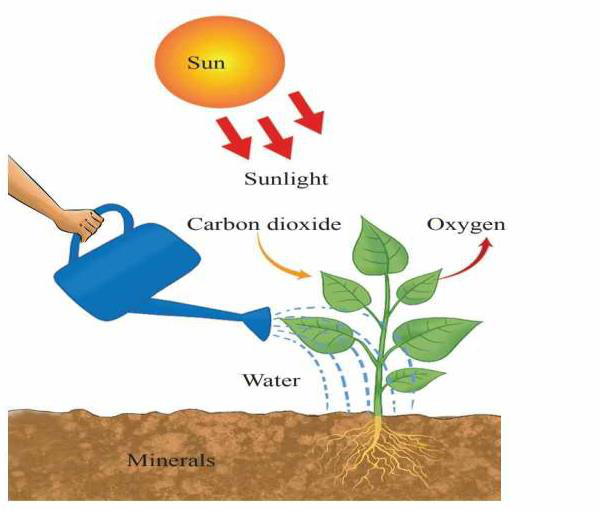
External Factors
Light
- Plants need light to perform several functions including photosynthesis.
- The more sunlight a plant receives, the higher its capacity to produce food through photosynthesis, since light supplies the energy plants use to synthesise food.
- When there is limited sunlight, stems become "leggy" — long and thin as they try to reach the light source.
- Absence of light causes chlorosis: yellowing of leaf tissue due to lack of chlorophyll.
Temperature
- Environmental temperature influences photosynthesis, transpiration, reproduction, respiration, germination, and flowering.
- The effect of temperature depends on plant variety — whether it is a warm-season or cold-season crop.
- Biological processes accelerate as temperature rises to an optimum level and decelerate as it deviates from that optimum.
- Enzymes work best at optimum temperature: inactive at low temperatures, denatured at high temperatures.
- High temperature can make pollen of warm-season crops (e.g. tomatoes) unviable, and adverse temperature can cause stunted growth and poor-quality crops.
Nutrients
- Nutrients required by plants are normally found in the soil: Nitrogen, Phosphorus, Potassium, Manganese, Magnesium, Calcium, Sulphur.
- Carbon, Hydrogen, and Oxygen are obtained from the atmosphere and water.
- Micronutrients (trace elements) are needed in small amounts — e.g. Zinc, Manganese, Iron.
- Macronutrients are needed in large amounts — e.g. Nitrogen, Phosphorus, Potassium.
- Inadequate nutrients affect growth rate and survival of plants.
Water
- About 90% of plant weight is water, essential for photosynthesis, respiration, and transport of minerals and nutrients.
- Water is the medium for biochemical reactions and maintains turgor pressure, which keeps cell shape and plant firmness.
- Turgor pressure regulates opening/closing of stomata, allowing transpiration and gas exchange.
- Evaporation of water during transpiration cools the plant and stabilises its temperature.
- Water dissolves soil minerals; when absorbed by roots, minerals travel through the xylem tissue.
- Humidity also affects photosynthesis, transpiration, and pollination.
Carbon Dioxide and Oxygen
- Carbon dioxide is a raw material for sugar production during photosynthesis; the sugar produced provides energy for growth-related physiological activities.
- Plants take up carbon dioxide and oxygen dissolved in water through roots, and oxygen through stomata at night for aerobic respiration.
- Low CO&sub2; concentration lowers the rate of photosynthesis, decreasing plant growth; increasing CO&sub2; increases photosynthesis and growth.
Internal Factors: Plant Growth Hormones
Auxins
- Highly concentrated in growing parts of the plant — tips of shoots and roots.
- Stimulates growth and development; transported downward, causing responses such as phototropism and geotropism.
- Promotes apical dominance — prevents too many lateral buds/branches from growing on the side of the stem.
Gibberellins
- Present in young shoots, roots and seeds; stimulate cell division and elongation, especially between internodes.
- Higher levels elongate internodes and increase stem length; deficiency causes dwarfism.
- Initiate seed germination by breaking seed dormancy and speeding up germination.
Cytokinins
- Stimulate cell division; often used in sterile tissue-culture media.
- Produced in the root, transported upward through the xylem.
- Stimulate differentiation/growth of axillary buds, inhibit lateral root formation, and delay leaf ageing and death.
Ethylene
- Exists in gaseous form; induces ripening of fruits and senescence of plants, and causes leaf drop.
- Plants increase ethylene production in response to stress; high concentrations occur near the end of a plant's life.
- Used commercially to ripen fruits such as green bananas.
Abscisic Acid
- Important in seed development and maturation; induces seed dormancy by preventing germination.
- Causes abscission of leaves, fruits and flowers, and induces closing of stomata — important during drought to reduce water loss.
Internal Factors: Genetic Factor
- Plant growth changes (seed to seedling, height, branching, flowers, fruits, seeds) are coded in the genetic material found in the cell nucleus.
- Genetic factors affect growth differently between species and between varieties of the same species.
- Example: Pemba Red Dwarf coconuts (Kitamli) mature earlier (4–5 years) than Local East African Tall coconuts (6–8 years).
- Genetic factors determine plant characters, but environmental factors influence the extent to which such characters are expressed.
4. Factors Affecting Growth and Development in Animals
External Factors
Temperature
- Eggs of organisms such as grasshoppers, snakes, lizards and turtles will not hatch if temperature is not optimum.
- Some animals (e.g. toads) depend on a specific temperature range to breed; low temperature can delay breeding until conditions are optimal.
- Optimum temperature is required to activate many enzymatic reactions in the animal body.
Nutrition
- Growth and development depend on availability of sufficient food — some substances are raw materials for growth, others are energy sources.
- Example: development of a tadpole into a frog/toad depends on food and nutrient availability.
- Protein is important for growth of young mammals; insufficient protein leads to stunted growth.
Oxygen Gas
- Needed during respiration to release energy from food, which powers physiological processes leading to growth.
- Inadequate oxygen supply causes low metabolic rate, slowing growth.
Mutagens and Risk Behaviours
- Mutagens are agents of mutation that alter genetic material, resulting in altered gene expression or protein function — e.g. harmful radiations such as X-rays, gamma rays, and ultraviolet radiation.
- Risk behaviours such as alcoholism, smoking marijuana and cigarettes affect human growth.
- Excessive alcohol consumption can lower the rate of growth in both adolescent boys and girls.
Internal Factors
Growth Hormones
- In humans, growth is regulated by growth hormone from the pituitary gland, which promotes bone/cartilage growth and stimulates metabolic activities necessary for growth.
- Gonads (ovaries and testes) produce oestrogen and testosterone, which accelerate development of secondary sexual characteristics during puberty.
Genetic Factors
- Influence growth rate, especially noticeable in livestock, where some breeds grow faster/heavier/taller than others.
- Human babies born on the same day can vary in height and weight due to differences in genetic make-up.
Enzymes
- Chemical substances that catalyze the rate of chemical reactions but remain unchanged at the end of the reaction.
- Digestive enzymes catalyze breakdown of food into simpler forms for absorption, facilitating growth and development.
- Under-secretion, over-secretion, or absence of enzymes affects growth by disrupting metabolism.
5. Mitosis and Growth
- For an organism to grow, the number of cells must increase — brought about by mitosis.
- Mitosis is cell division whereby the cell nucleus and cytoplasm divide to produce two identical daughter cells, each with the same set of chromosomes as the parent cell.
- Mitosis involves division of body cells called somatic cells, which are diploid (2n) — two sets of chromosomes.
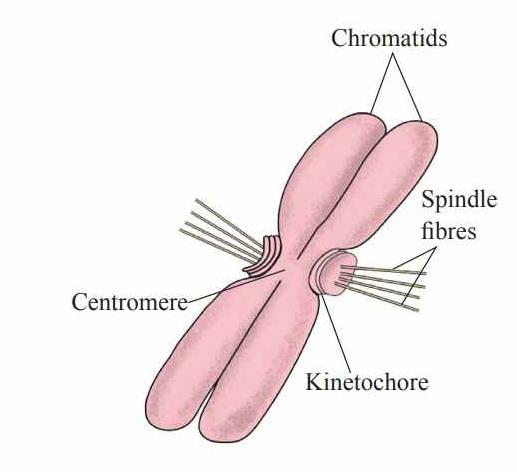
- Chromosomes consist of two parallel strands called chromatids joined at a centromere — the region where sister chromatids are held together after replication.
- During cell division, microtubule-like structures called spindle fibres form from the centrioles, attached to a point called the kinetochore. Mitosis facilitates growth and replacement of damaged cells.
6. Stages of Mitosis
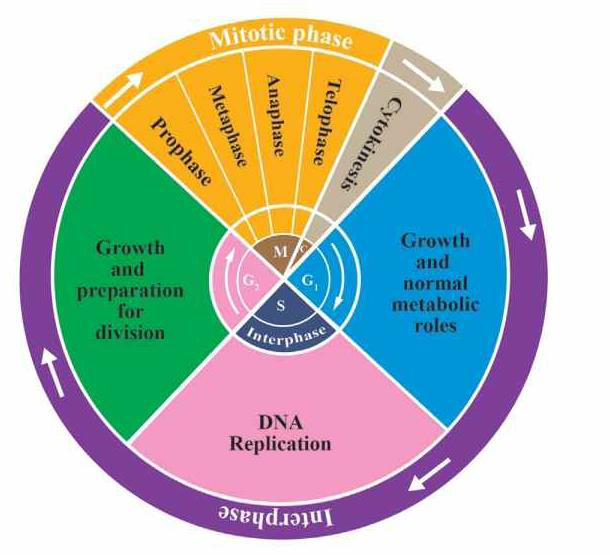
- The sequence of events between one cell division and the next is called the cell cycle, divided into three major phases: interphase (preparatory), mitotic phase (dividing), and cytokinesis.
- Interphase involves cell growth and DNA replication; the mitotic phase involves mitosis; cytokinesis divides the cytoplasm to give two daughter cells.
- Mitosis is a continuous process of four stages: prophase, metaphase, anaphase, and telophase — preceded by interphase.
Interphase
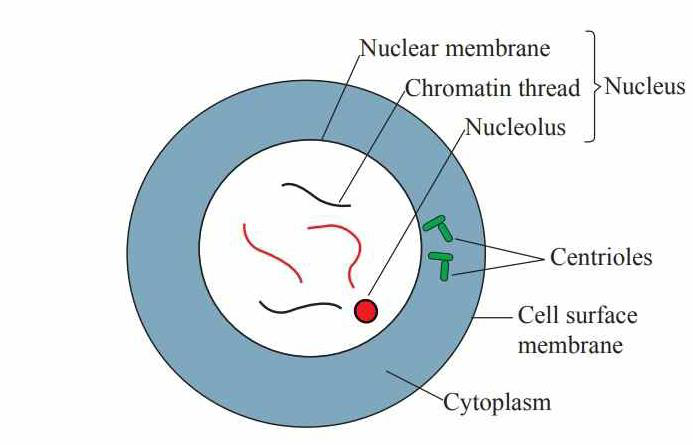
- A non-dividing stage that prepares cells for division; involves intensive synthesis of cell organelles and cell growth.
- Chloroplasts and mitochondria (if present) replicate; DNA replication creates two copies of DNA strands.
- Chromosomes are not clearly seen in the nucleus; each chromosome exists as a pair of chromatids held by a centromere.
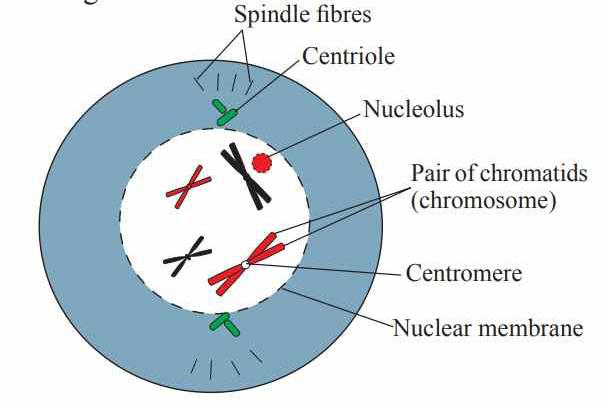
Prophase
- The longest stage of mitotic cell division, occurring after interphase.
- Chromatids shorten, thicken, and become visible; centrioles move to opposite poles of the cell.
- Spindle fibres develop from the centrioles; at the end of prophase, the nucleolus and nuclear membrane disintegrate, releasing chromosomes into the cell.
- Spindle fibres extend across the cell and attach to the chromosomes to organize and move them during mitosis.
Metaphase
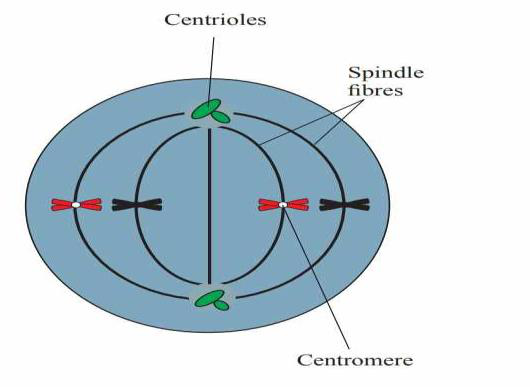
- Chromosomes line up at the equator of the spindle fibre; each chromosome consists of two chromatids.
- Chromosomes attach to spindle fibres by their centromere; nucleus and nuclear membrane disappear completely; spindle fibre formation is completed.
Anaphase
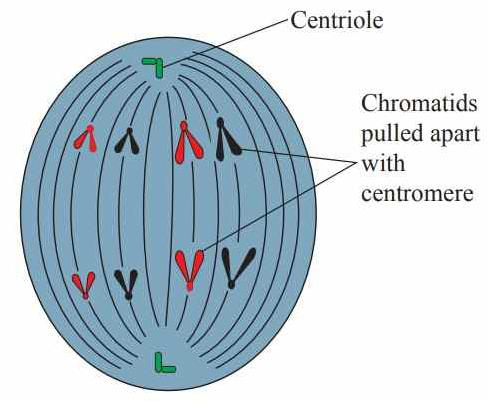
- The centromere splits and spindle fibres contract, pulling chromatids to opposite poles of the cell.
- Spindle fibres lengthen and push the centrioles further apart; the cell elongates in preparation for division.
Telophase
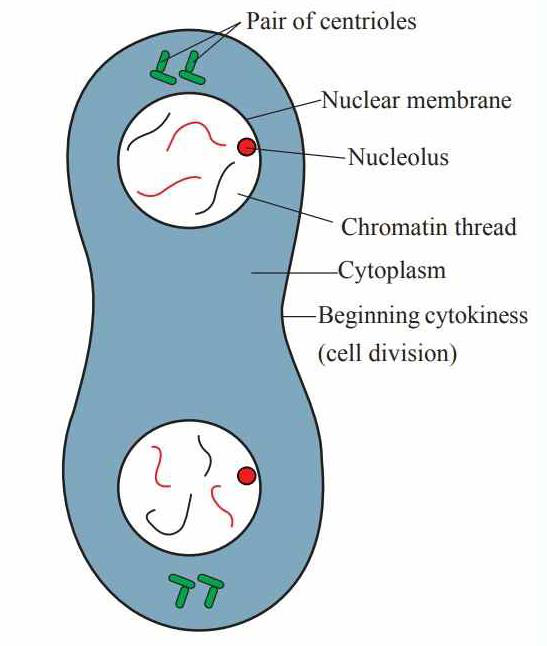
- Chromatids reach opposite poles of the cell; on the poles, chromatids uncoil, lengthen, and are not clearly seen.
- Spindle fibres disintegrate and centrioles replicate; a nuclear membrane re-forms around each set of chromosomes and nucleoli reappear.
Cytokinesis
- Occurs after telophase; it is the division of the cytoplasm to form two new cells.
- Differs between animal and plant cells due to the presence of a cell wall in plant cells.
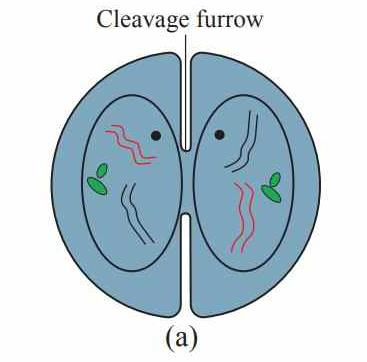
- In animal cells, cytokinesis starts by constriction of the cell surface membrane from outside inwards; two cleavage furrows develop, and the membrane eventually pinches off to separate two daughter cells, each with one nucleus.
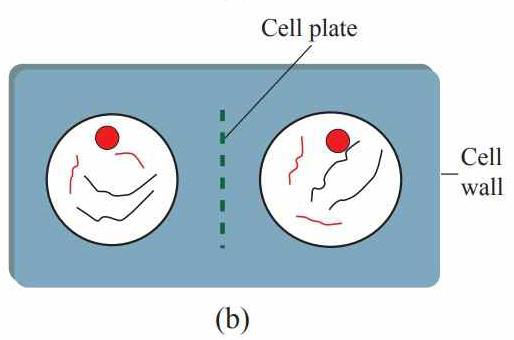
- In plant cells, instead of a cleavage furrow, a dividing structure called the cell plate forms between the two daughter cells, dividing the cell into two identical daughter cells.
7. Significance of Mitosis
Growth
Growth in a multicellular organism refers to the increase in body size due to an increase in the number of cells through mitotic cell division — cell division is the basis for growth in multicellular organisms.
Cell Replacement and Regeneration
Mitosis helps in healing and repairing cells and tissues. Damaged cells are replaced with exact copies produced by mitosis — e.g. epidermis cells, gut lining cells, and blood cells need constant replacement. Some animals (lizards, some crustaceans) can regenerate lost body parts through mitosis.
Retaining Chromosome Number After Division
Mitosis produces two diploid daughter cells with genetic properties similar to the parent cell, supporting genetic stability.
Means of Reproduction
Mitosis is used as a means of asexual reproduction by unicellular organisms such as protozoans. Some plants also exhibit vegetative propagation through mitosis, producing genetically identical offspring.
8. Similarities and Differences Between Mitosis and Meiosis
Similarities
- Both take place in the cell nuclei.
- Both involve division of the nucleus and cytoplasm.
- Both occur in the mitotic phase of the cell cycle.
- Both involve four stages of cell division: prophase, metaphase, anaphase, telophase.
- In both, the synthesis of DNA occurs.
Differences
| Factor | Mitosis | Meiosis |
|---|---|---|
| Organisms involved | Occurs in all organisms except viruses | Occurs only in plants, animals, fungi and protoctists |
| Types of cells involved | Occurs in somatic or body cells such as skin cells and nerve cells | Occurs in reproductive / sex cells |
| Number of daughter cells produced | Produces two identical daughter cells, genetically similar to the parent cell | Produces four daughter cells that are genetically different from the parent cell |
| Division cycle | Involves only one cell division — a single-step cell division | Involves two successive cell divisions — a two-step cell division (Meiosis I and Meiosis II) |
| Stages of division | Involves four (4) stages of cell division | Involves eight (8) stages of cell division (two rounds) |
| Chromosomes of daughter cells | Diploid (2n) with two sets of chromosomes, similar to the parent cell | Haploid (n) with one set of chromosomes; daughter cells are called gametes |
| Chiasmata formation (crossing over) | Prophase is shorter; crossing over does not occur | Prophase is longer; crossing over occurs |
| Function | Enables body growth, repair, and cell reproduction | Enables genetic diversity through sexual reproduction |
| Occurrence of cytokinesis | Occurs in telophase | Occurs in telophase I and in telophase II |
| Mode of reproduction | May lead to asexual reproduction in some organisms | Leads to sexual reproduction in organisms |
Enjoying this topic? Your progress, practice questions and the remaining 4 topics are waiting in the app.
Continue in the app9. Growth and Developmental Stages in Humans
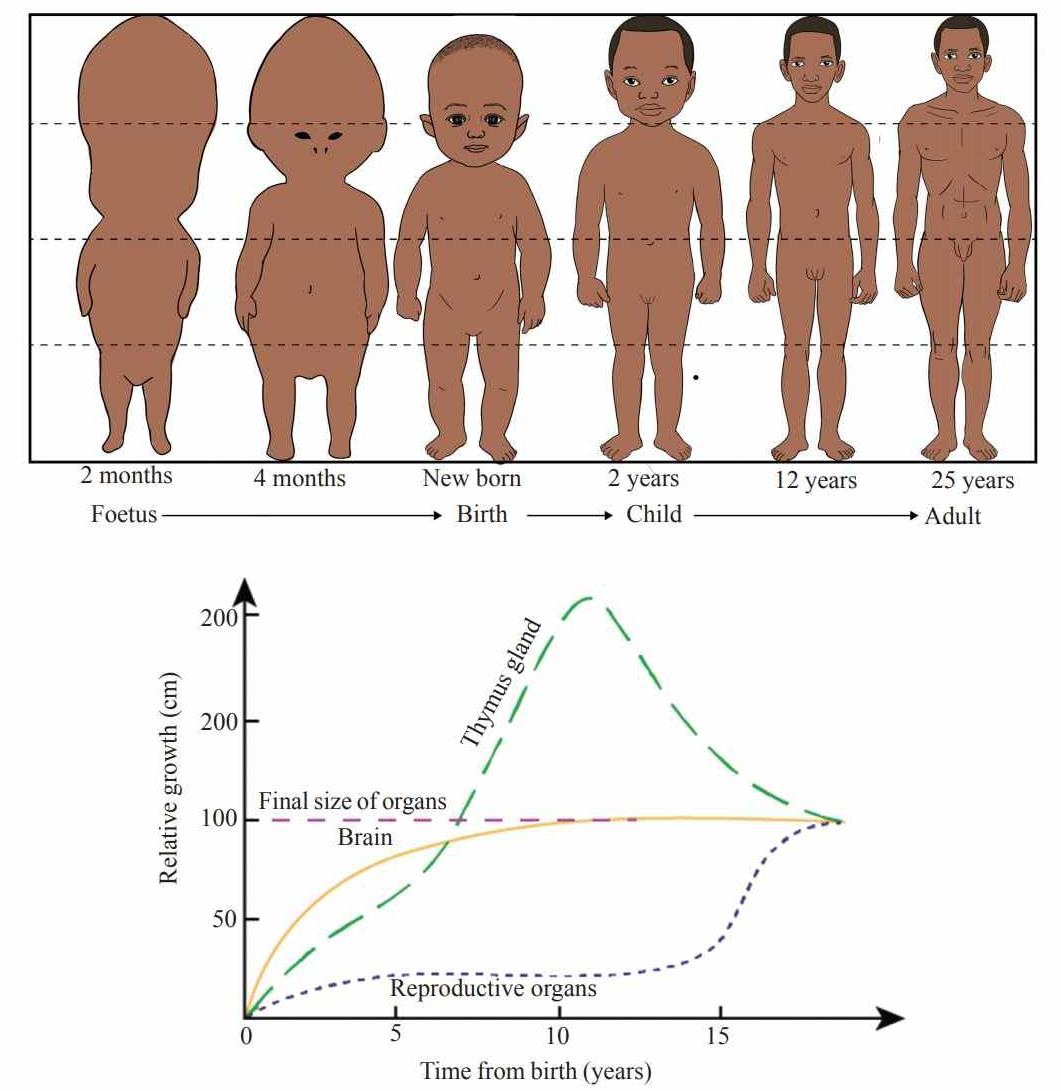
- Human beings have diffused growth — growth occurs in all parts of the body.
- Growth in humans involves a gradual increase in size until adulthood, but not at a constant rate.
- Different parts of the body grow at different rates and times — known as allometric growth.
Fertilisation and Foetal Development
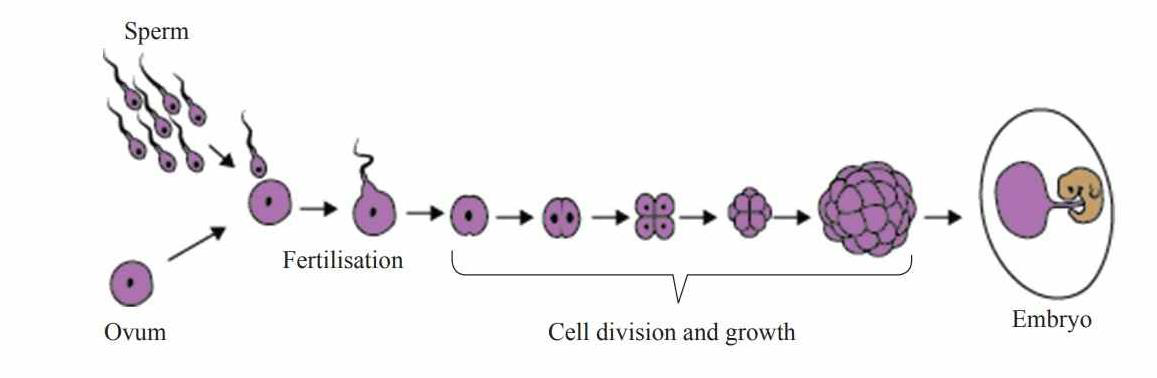
- In humans, growth begins with fertilisation and follows an orderly sequence of events.
- The zygote (fertilised ovum, one cell) contains all information necessary for growth, development and reproduction, and begins to divide rapidly by mitosis, leading to development of the embryo.
- Fertilisation and initial mitotic division occur in the oviduct; the early embryo migrates down the fallopian tube and completes most of its development in the uterine wall.
- During embryo development, food and oxygen diffuse from mother to foetus through the placenta; waste diffuses from foetus to mother.
- The umbilical cord is a foetal structure with blood vessels carrying materials between foetus and placenta in both directions.
Stages of Human Postnatal Growth and Development
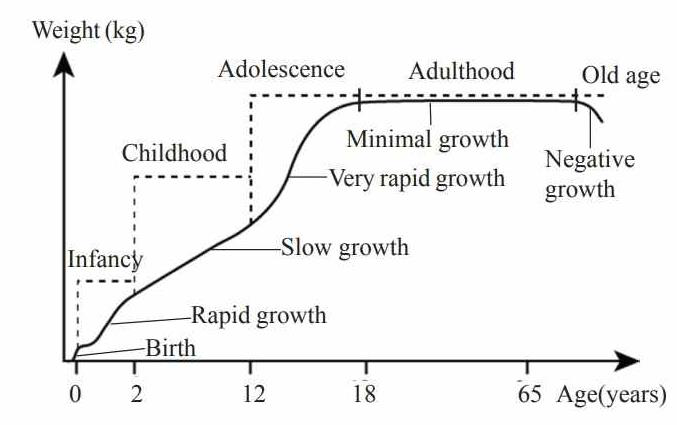
There are five significant stages: infancy (0–2 years), childhood (2–11 years), adolescence (11–18 years), adulthood (18–65 years), and old age (65+ years).
- Plotting growth rate against time produces a typical S-shaped curve, known as the Sigmoid curve.
- Growth is rapid during infancy (0–2 years) and adolescence (11–18 years), slow during childhood (2–11 years), minimal during adulthood (18–65 years), and negative after 65 years.
Infancy (Birth – 2 years)
- Every touch, movement and emotion translates into an explosion of electrical and chemical activity in the brain, as billions of cells organise into networks requiring trillions of nerve impulses.
- Physical changes: children increasingly hold heads up, roll, sit, crawl, and walk a few steps without help; by age 2, infants run and climb without support.
- Psychological changes: increased memory towards the end of the first month, speech sounds by the first birthday, connected speech by the second birthday; emotions such as anger, happiness, sadness, and fear appear, shaped by attachment to caregivers.
- Behavioural changes: improved recognition ability — infants recognise familiar caregivers and may develop fear of strangers when separated from parents.
Childhood (2 – 11 years)
- Children gain height at an average rate of about 3 inches per year, reaching an average height of about 106 cm by the end of the stage; weight increases to about 35 kg.
- Body proportions change markedly; milk teeth develop in early childhood and are later replaced by permanent teeth.
- Children acquire motor skills: catching, throwing, running, jumping, climbing, riding a bicycle, self-feeding, dressing, balancing, colouring, and drawing.
- Children become more responsible for physical care and learn social roles; brain maturity and learning experiences develop more complex intelligence, though this maturation may be difficult without appropriate stimulation (e.g. play, interaction, reading).
Adolescence (approx. 11 – 18 years)
- At puberty, a girl's ovaries and a boy's testes begin to function, triggered by the hypothalamus producing a hormone called gonadotropin, which increases production of oestrogen (girls) and testosterone (boys).
- Boys: puberty typically between 10–16 years; starts with enlargement of testicles and growth of pubic hair; arms, legs, hands and feet grow faster than the rest of the body; shoulders broaden, weight increases, muscles develop, and the voice deepens.
- Girls: puberty may start between 8–13 years; first signs are breast development and pubic hair growth; hips and thighs enlarge; first menstruation is a major sign of maturity.
- Psychological/social changes: increased cognitive and intellectual capability, reasoning, logical thinking, rational judgement, and a developing sense of self-identity (including sexual identity); adolescents want more independence in decision-making but are not yet fully equipped to make fully informed decisions, so disengaging fully from parental guidance can leave them vulnerable.
- Behavioural changes: mood swings; a desire to explore and try new experiences, which can lead to risky behaviours such as drug abuse, alcoholism, and unprotected sex — increasing risk of unplanned pregnancy, HIV/AIDS, and other STIs.
Adulthood (18 – 65 years)
- Period during which the rate of growth is minimal; during late adulthood, formation of new cells slows relative to the rate old cells are destroyed.
- Full physical and intellectual maturity is attained; adults are characterised by maturity, being practical and result-oriented, self-confidence, sound decision-making, and taking responsibility.
Old Age (65 years and above)
- Characterised by negative growth — physical body strength decreases, hair thins and turns grey, skin develops wrinkles and loses elasticity.
- Decrease in vision and hearing ability; sensitivity to smell and taste decreases.
- Psychological changes include loss of memory.
10. Factors Leading to Physical Deterioration of the Human Body
Physical deterioration occurs as a person gets old, due to a decrease in production of growth hormones. Deterioration factors are categorised as environmental and genetic.
Environmental Factors
- Quality and quantity of food: nutritious food improves growth and development; inadequate food causes malnutrition, decreasing growth rate.
- Diseases: weaken body cells and tissues, decreasing growth rate.
- Stress: emotional disturbances weaken body immunity, making the body prone to disease and infection.
Genetic Factors
Some genetic disorders, such as Werner syndrome, cause rapid premature ageing; this disorder typically appears in individuals after puberty.
11. Growth in Flowering Plants
Growth in a flowering plant starts from a seed to a seedling that grows into a mature plant. The process by which a seed develops into a seedling is known as germination.
Parts of a Seed
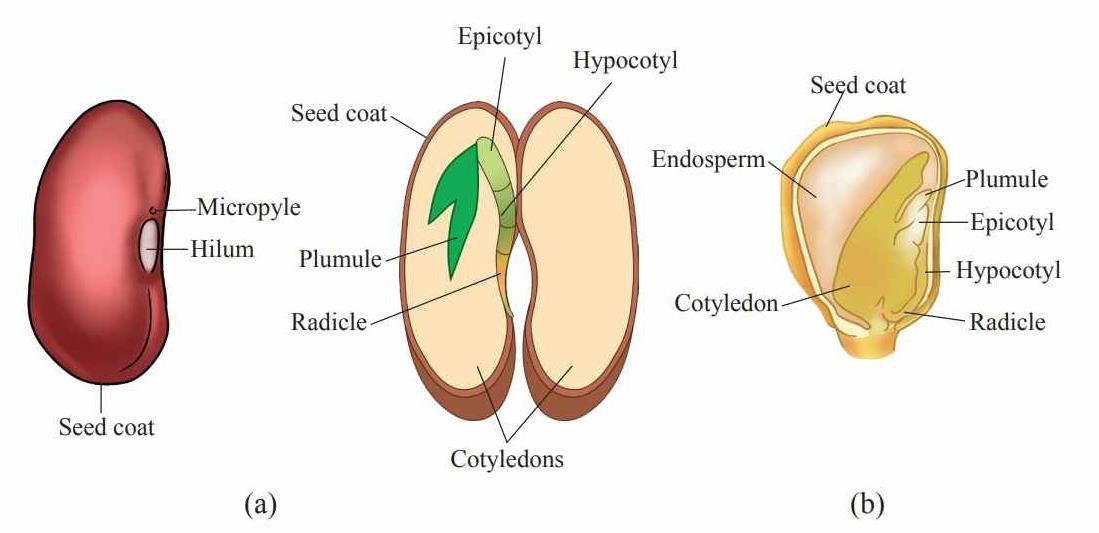
- Embryo: consists of a radicle (develops into a root) and a plumule (develops into a shoot after germination).
- Seed coat (testa): the protective layer surrounding a seed.
- Cotyledons: grow to form the embryonic first leaves; store and provide food for the young plant until it can carry out photosynthesis. Monocot seeds (e.g. maize) have one cotyledon; dicot seeds (e.g. bean) have two.
- Micropyle: a pore through which water enters the seed during germination.
- Hilum: a scar showing the seed's point of attachment to the ovary wall.
12. Seed Germination
Changes During Germination
- Physical changes: swelling of the seed after absorption of water through the micropyle; water softens the seed coat and activates enzymes in the cotyledons, leading to bursting of the seed coat and emergence of the radicle and plumule.
- The radicle forms the primary root (and gives rise to side roots); the plumule gives rise to the shoot.
- Chemical changes: as the seed absorbs water, food stored in the cotyledon/endosperm is hydrolysed into a soluble form — stored starch is converted into sugars by the enzyme diastase, which the growing seedling readily absorbs.
Conditions Necessary for Seed Germination
Water
Absorbed through the micropyle; causes embryo cells to enlarge and the seed coat to rupture; softens the seed coat and increases permeability; activates enzymes necessary for germination and growth.
Oxygen Gas
Necessary for aerobic respiration, generating energy required for growth of the embryo.
Temperature
Each plant species has an optimum germination temperature; temperature is essential for activation of enzymatic reactions during respiration, which provides the energy required for germination.
Enzymes and Hormones
Seed viability depends on the presence of relevant enzymes and hormones in the required amounts, which help break seed dormancy and catalyze metabolic activities of germination.
Seed Dormancy
- Internal causes: immature embryo, hardness of the seed coat, presence of inhibitors (hard seed coat restricts water uptake and gas exchange).
- External causes: lack of water, air, optimum temperature, pH, and light.
- Overcoming dormancy: soaking seeds in water to soften the seed coat and remove inhibitors; mechanical abrasion (scratching/burning the testa); soaking in alcohol or concentrated acid for a period; passage through the gut of specific animals, which softens the hard coat and removes germination inhibitors.
Types of Seed Germination
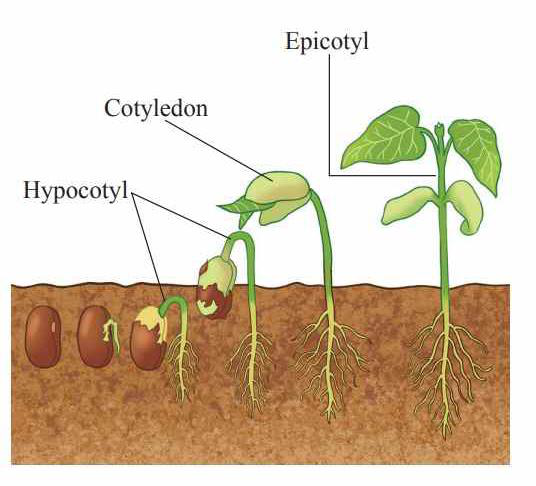
Epigeal Germination
- Cotyledons are pushed above the ground.
- The radicle is the embryonic root, the plumule is the embryonic shoot; the radicle emerges first, from the base of the embryo axis, while the plumule is at the upper end above the cotyledon.
- Part of the seedling stem above the cotyledons is the epicotyl; the part below is the hypocotyl.
- The hypocotyl elongates and arches upward through the ground, pulling the cotyledons with it; once above the soil, it straightens and the plumule leaves open out.
- Seen in most dicot seeds, such as beans and castor.
Hypogeal Germination
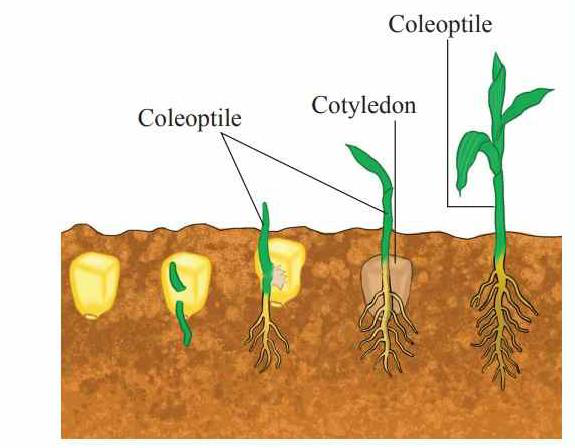
- Cotyledons remain below the soil surface.
- Elongation of the epicotyl causes the shoot to grow straight up through the soil, leaving the cotyledons in the soil.
- The shoot is protected by a sheath-like structure called the coleoptile; once above ground, the coleoptile stops growing and the first leaf bursts through it.
- Seen in most monocot seeds, such as maize and rice.
13. The Growth Process in Plants
Unlike growth in humans, growth in flowering plants occurs in specific regions known as meristems, situated at the tips of the shoot and roots. There are three major growth zones: meristematic, elongation, and maturation.
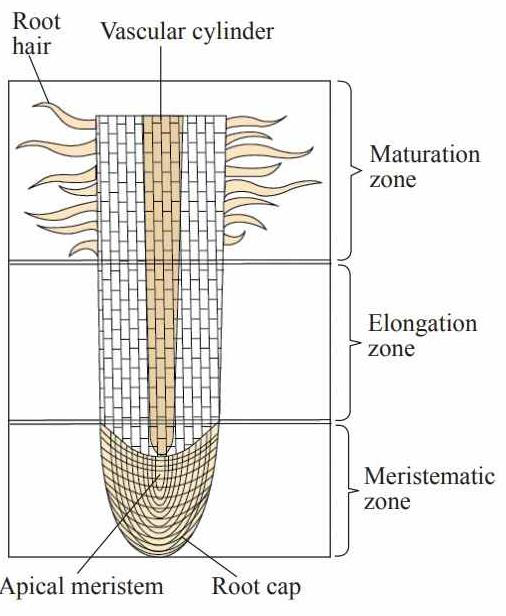
Meristematic Zone
Located at the tip of plant roots and shoots; consists of constantly dividing meristematic cells with large nuclei, rich in protoplasm, with thin cell walls to allow rapid mitotic cell division.
Elongation Zone
Located next to the meristematic zone; enlargement of cells, increase in vacuole size, and formation of new cell walls take place here. Newly-formed cells increase in length, lengthening the root and shoot. Elongation is the permanent enlargement of cells prior to differentiation.
Maturation Zone (Zone of Differentiation)
Cells here have reached maximum size and differentiate into different types once they stop dividing and begin to mature and perform specific functions. During differentiation, cells undergo changes in protoplasm and cell wall structure — e.g. tracheids in the xylem lose their protoplasm and develop strong, elastic cell walls to allow water transport across long distances.
14. Plant Growth Curve
The rate of growth of a plant (or its parts) is not constant throughout its life span, though the general pattern of growth remains relatively the same. Plotting plant growth rate against time produces a typical S-shaped (Sigmoid) curve with five major phases.
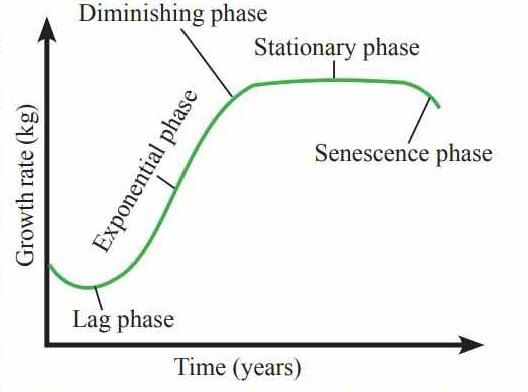
- Lag phase: growth rate is low because the new plant has not yet developed an efficient shoot system for photosynthesis; growth is limited by the food reserve stored in the seed.
- Exponential (log) phase: once seedlings develop an adequate root system and enough leaf surface to support photosynthesis and anabolism, growth rate increases rapidly. High metabolic rates are not maintained indefinitely.
- Diminishing phase: growth rate starts slowing down (though the plant continues to grow) due to competition for essential metabolites, growth substances, water, and light, or accumulation of inhibitors, toxic substances, and waste materials.
- Stationary phase: the rate of anabolism equals the rate of catabolism, so there is no net growth.
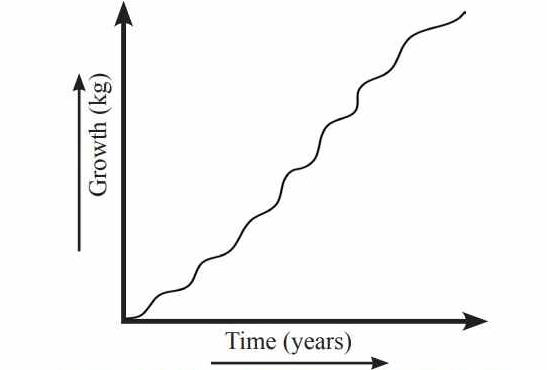
- Senescence phase (negative growth): the rate of catabolism exceeds anabolism, leading to decreased height and size. However, perennial woody plants show unlimited growth — their growth curve is a cumulative series of sigmoid curves.
15. Stages of Plant Development
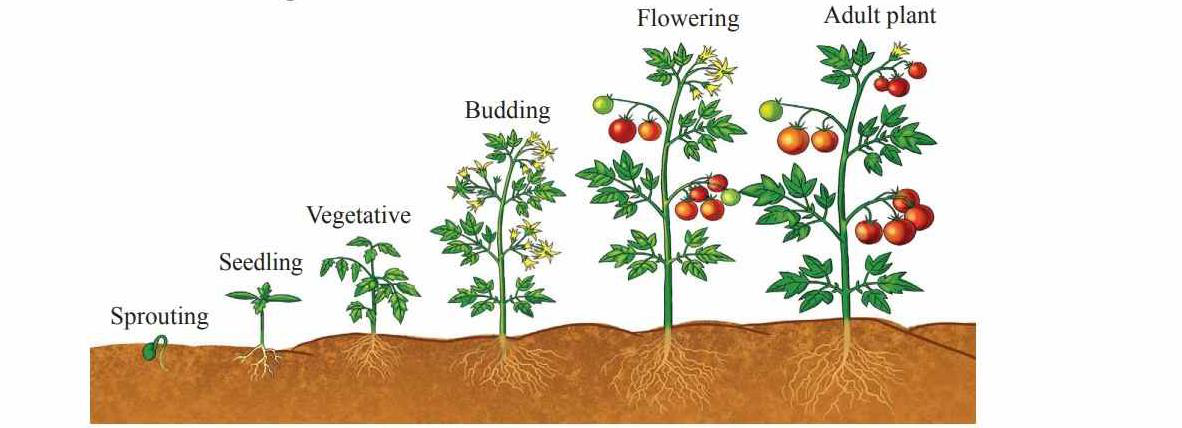
A typical plant goes through five stages of development after germination: sprouting, seedling, vegetative/budding, flowering, and adult plant.
Sprouting
The first stage after germination; the germinated shoot reaches the surface. Roots absorb water and nutrients from the soil, and the plant uses sunlight energy and oxygen for growth. Each seed contains a small amount of nutrients needed to germinate and begin growing its first pair of leaves.
Seedling
Starts after emergence of the first root and shoot, lasting until the first tiller appears. Two more leaves develop; leaves continue forming at a rate of about one every 3–4 days in some species. Characterised by rapid growth of root and shoot, and the beginning of photosynthesis.
Vegetative Stage
Characterised by development of tillers or shoots in some plants, more leaf formation, and gradual increase in plant height. Duration varies by species. Nitrogen is mostly required at this stage.
Budding / Reproductive Phase
The plant forms buds; phosphorus is the most needed element at this phase. Inside the bud, a tiny but complete flower forms, protected by sepals. Over time, the bud opens and blossoms into a mature flower, and the sepals appear as small green leaves at the base.
Flowering Phase
A major sign of maturity; the flower is the reproductive structure of the plant. Potassium plays an essential role in starch formation and in the production and translocation of sugars.
Adult Phase
The last stage of plant development: flowers develop into fruits, and seeds form inside the fruit, capable of developing into new plants.
16. Differences Between Growth in Plants and Animals
| SN. | Plant growth | Animal growth |
|---|---|---|
| 1 | Plants possess well defined growing points or meristematic tissue | Growing points are absent in animals; growth occurs all over the body |
| 2 | Growth is localised to certain regions, mostly at the apex of roots and shoots | Growth is diffused — occurs all over the body of the organism |
| 3 | Often growth is indefinite or unlimited; most plants keep growing as long as they live | Growth is definite or limited; growth is restricted with time and stops in animals as soon as they mature, long before senescence appears |
| 4 | New organs continue to be formed throughout the life of a plant | All organs are formed at the embryonic stage; no new organs are added during growth |
| 5 | Old organs are replaced by new organs | There is no replacement of organs in most animals |
| 6 | Growth in plants is by addition of new parts ahead of or around the older ones | Growth involves only an increase in size of organs, but no new organs are added |
Chapter Summary
- Development is an increase in the complexity of an organism. Development accompanies growth.
- Growth and development in humans can be prenatal or postnatal. Prenatal growth and development takes place in the womb before the baby is born.
- Human beings and other mammals show limited growth — growth that ceases at maturity.
- Humans have two periods of rapid growth called growth spurts: one in early infancy and the other during adolescence.
- Human postnatal growth and development comprises five main stages: childhood, adolescence, adulthood, and aging (senescence).
- Childhood is the period from birth up to sexual maturity (about 11 years), with several sub-stages: neonatal, older baby, toddler, pre-school, early childhood, late childhood and pre-adolescence.
- For children to grow and develop well, they need food, shelter, warmth, comfort, security, training in good habits and skills, rest and enough sleep.
- Older people need healthy soft food to strengthen their immune system, comfortable clothing, a place to sleep, and light physical exercise, along with love, care and support.
- Physical deterioration of the human body is affected by psychological factors (smoking, alcoholism, drug abuse, stress, inactivity) and environmental factors (poor diet, excessive noise, toxic chemicals and radiation, diseases and infections).
- Growth is a permanent increase in the size of an organism. Development is the increase in the complexity of an organism.
- A seed requires water, oxygen and the right temperature for germination to occur.
- A seed has a plumule that grows into a shoot system and a radicle that grows into a root system.
- Germination is inhibited by conditions such as a thick testa, an immature embryo, inadequate temperature, lack of oxygen, moisture and light, and presence of growth inhibitors such as abscisic acid.
- There are two types of germination: hypogeal and epigeal. In hypogeal germination, cotyledons remain below the soil; in epigeal germination, cotyledons are raised above the ground.
- Hormones influence processes like cell division, cell enlargement, flowering, fruit formation and root development. Plant hormones include auxins and gibberellins.
- Apical dominance is witnessed when a plant grows tall due to greater elongation of the apical bud compared to lateral branches. Pruning removes the apical bud, removing apical dominance.
- After germination and the earliest stages of development, plant growth becomes localized in specific regions called meristems.
- Meristems are regions where plant cells divide, of two types: apical meristems and lateral meristems.
- Apical meristem is the growth region just behind the tips of the shoot (plumule) and root (radicle), responsible for plant elongation (increase in length of shoot and roots).
- Lateral meristem is concerned with widening of the plant. Widening to form the trunk and hardwood is called secondary growth — seen in plants such as mango, baobab, jacaranda and eucalyptus trees.
End of Topic Questions
- a) Differentiate growth in plants from animals.
b) Present growth in plant trees using a graphical method. - Outline the two technical terminologies: (i) Mitosis (ii) Meiosis. Work out the differences of the two terminologies.
- How does meiosis enable the introduction of a new organism with different traits in a specific population of plants or animals?
- Write an essay on how diet, behavioural and physiological factors affect growth phases in human beings, using the following guidelines: childhood, adolescence, reproductive age, old age.
-
I. State how the following internal factors affect germination and give examples: (a) Enzymes (b) Hormones (c) Viability
II. (a) Describe the factors required by a seed to germinate (two).
(b) Draw a well-labelled diagram depicting hypogeal germination in a named plant.
(c) What differences are there between hypogeal and epigeal germination? (two) -
(a) Describe the two technical terminologies: (i) Pre-natal growth (ii) Post-natal growth
(b) Draw a graph showing human growth up to 70 years. Label your graph well.
(c) From (b) above, describe the following stages: (i) Lag phase (ii) Log phase (iii) Linear phase (iv) Stationary phase
(d) Supply the scientific name of the graph drawn in (b). -
(a) Give the differences between the following items as used in growth, giving examples: (i) Diffuse growth and allometric growth (ii) Limited growth and unlimited growth
(b) (i) Draw the diagram of the sigmoid growth curve, label the four significant phases.
(ii) Briefly explain why the rate of growth is rapid during the adolescence stage. -
(a) Draw a well-labelled diagram of apical meristem in the shoot.
(b) Locate the region of much cell division.
(c) Explain the terminology "apical meristem" as used in the diagram in (a) above.
(d) Why is it said that growth in plants is apical? -
(a) Define growth in animals.
(b) Mention factors that affect growth in animals.
(c) Explain the factors mentioned in (b) above. -
(a) Mention six external factors that affect growth in plants.
(b) How do two of the factors mentioned in (a) above affect growth in plants? -
(a) What are the four stages of human postnatal growth?
(b) Describe six services required to meet the needs of children to grow healthy. - Write an essay entitled “Post-natal Growth” using the following guidelines: childhood, adolescence, adulthood, ageing.
a) Define growth as applied to biology.
b) List four factors influencing growth and explain the role of mitosis in the growth of a living organism. -
Matching type question — select the best response from Column B and write its letter beside the corresponding item in Column A.
Column A Column B i. A region where fast growth and cell division happen most a. Centrioles b. Golgi bodies c. Mitosis d. Meiosis e. Telophase f. Prophase
g. Hypogeal h. Epigeal i. Testosterone j. Oestrogens k. Micropyle l. Meristem
m. Chromosomes n. Nucleolus o. Negative growth p. Positive growth q. Dicotyledonae r. Monocotyledonae
s. Anaphase t. Metaphaseii. A cotyledon appears above the soil surface iii. Rate of cell increase is lower than that of when cells are lost iv. At puberty the female produces the hormone known as … v. Number of petals are three or a multiple of three vi. Cell division enabling growth to take place vii. A step during cell division when chromosomes lie at the centre of the cell viii. Produces spindles in the animal cell ix. Last step in cell division x. Thread-like structure in the nucleus -
(a) Give the differences between the following items as used in growth, giving examples: (i) Diffuse growth and allometric growth (ii) Limited growth and unlimited growth
(b) (i) Draw the diagram of the sigmoid growth curve, label the four significant phases.
(ii) Briefly explain why the rate of growth is rapid during the adolescence stage. -
(a) Draw a well-labelled diagram of apical meristem in the shoot.
(b) Locate the region of much cell division.
(c) Explain the terminology "apical meristem" as used in the diagram above.
(d) Why is it said that growth in plants is apical? -
(a) Define growth in animals.
(b) Mention factors that affect growth in animals.
(c) Explain the factors mentioned in (b) above. -
(a) Mention six external factors that affect growth in plants.
(b) How do two of the factors mentioned in (a) above affect growth in plants? -
(a) What are the four stages of human postnatal growth?
(b) Describe six services required to meet the needs of children to grow healthy. - a) Differentiate growth in plants from animals.
b) Present growth in plant trees using a graphical method. - Outline the two technical terminologies: (i) Mitosis (ii) Meiosis. Work out the differences of the two terminologies.
- Explain what would happen to arthropods like grasshoppers if there is hypo-secretion of moulting hormones.
- Explain the relationship between mitosis and growth.
-
Explain how the following affect growth in plants:
a. Light b. Nutrients c. Temperature -
(a) Mention the terminology used to describe the growth curve in man.
(b) Draw a well-labelled graph mentioned in (a) above. - Describe in detail the four phases of growth in the curve drawn in the previous question.
Ready for Topic 2: Genetics?
Continue Form Four Biology in the Click Online Academy app, with all 5 topics in your pocket.
Click here to continue learning on our app